


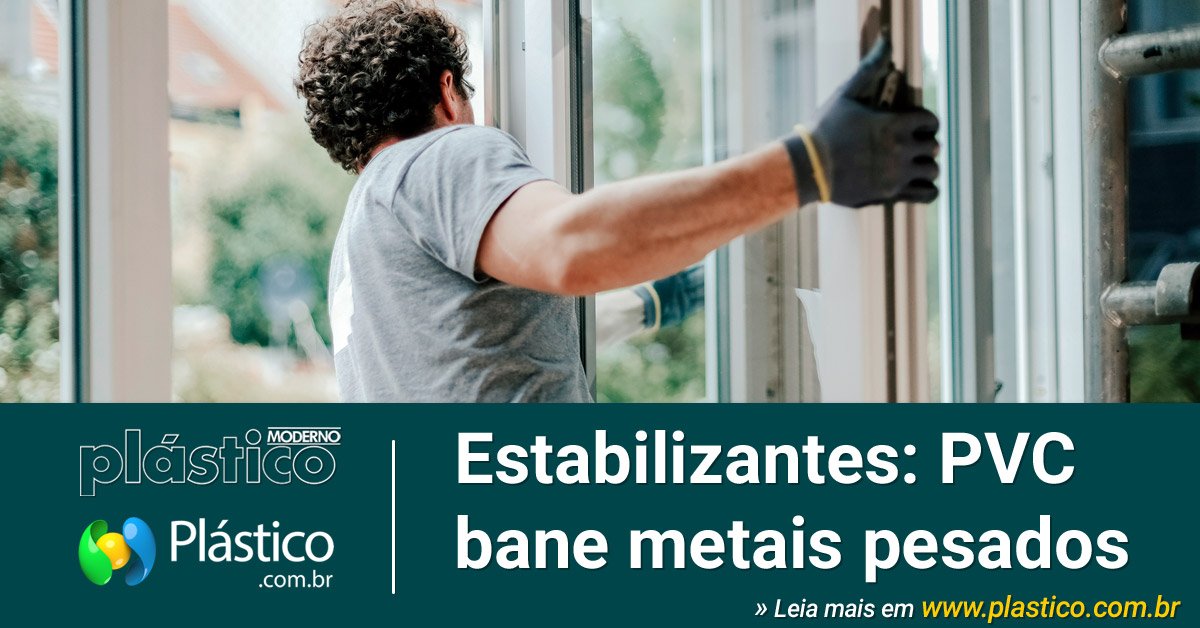
Technical and regulatory changes focused on performance and sustainability are shaping the market for polyvinyl chloride (PVC) heat stabilizers. Lead- and cadmium-free formulations are a reality, making the sector more competitive globally.
Led by the Brazilian PVC Institute (IBPVC), the Voluntary Agreement committing the industry to stop selling lead- and cadmium-based PVC stabilizers in the Brazilian market marked its first anniversary in April 2026.
During this period, individual social and environmental responsibility initiatives were consolidated into compliance standards for the entire supply chain, aligning the domestic industry with stringent environmental regulations such as Registration, Evaluation, Authorisation and Restriction of Chemicals (REACH) and Restriction of Hazardous Substances (RoHS).
“In practice, the agreement consolidates a shift that the PVC supply chain has been pursuing for a long time: replacing these metals with technically safe, well-established alternatives, such as calcium-zinc-based systems,” says Claudia T. Tsukamoto, executive director of IBPVC. According to her, heat stabilizers based on heavy metals now have only a marginal role in the industry. “For IBPVC, this is an important step in reinforcing the sector’s commitment to health, the environment, innovation and sustainability,” she adds.
With information from Plástico Moderno.